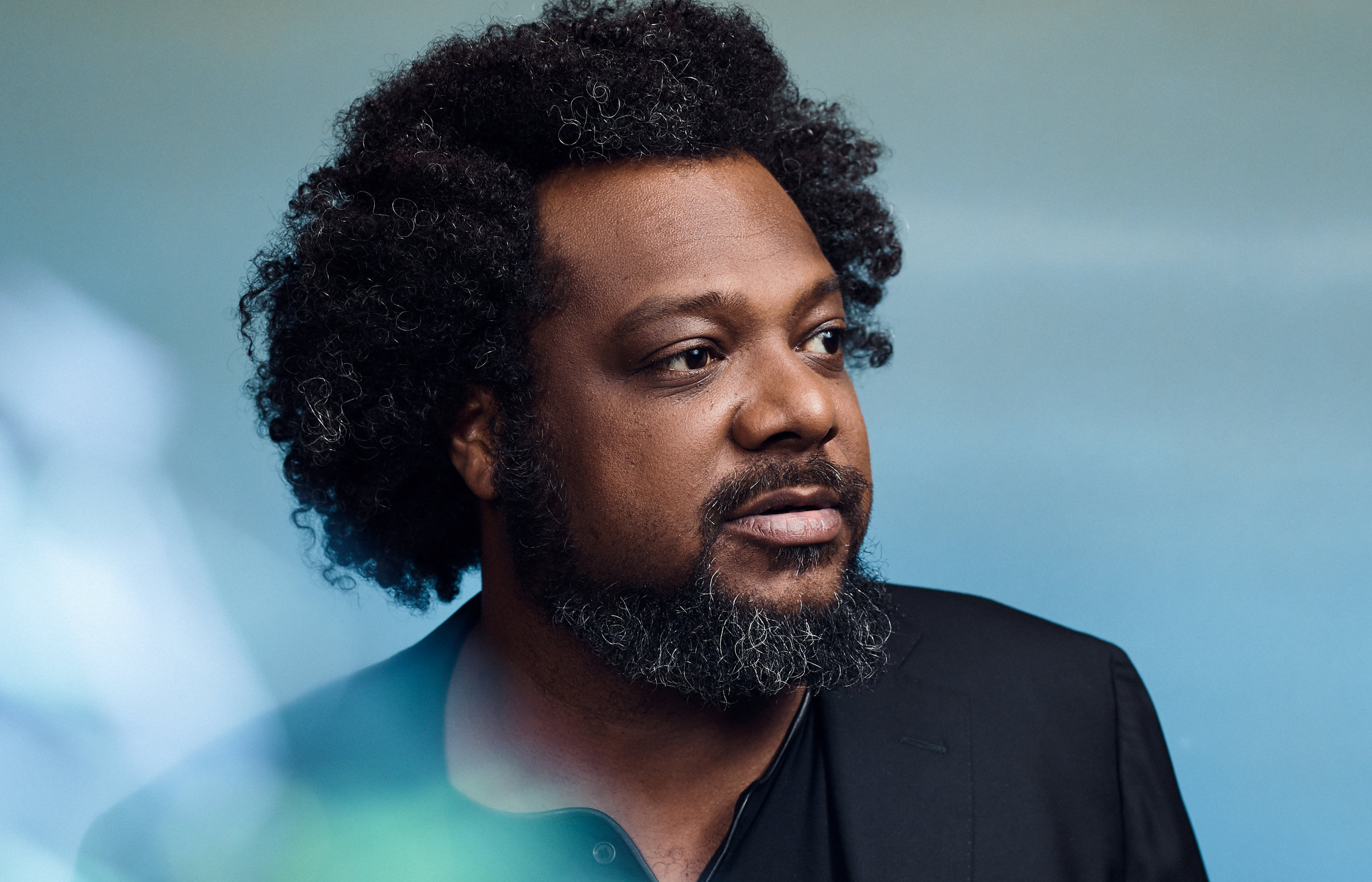
B. Bonin Bough

The Power of Consumer Choice

Streaming video services, such as Hulu and On Demand make it easier than ever for people to watch television on their own terms, however, new fast-forward restrictions make it nearly impossible for viewers to escape advertisements. In order to engage consumers, advertisers need to find new models that allow the consumer to, at the very least, have choice over what advertisements they want to watch.

The New CSR: Brands Like Orange and Telia Encourage Unplugging

There’s no denying that mobile devices are becoming more and more an integral part of our daily lives. At the same time, recent studies are suggesting that the internet and technology can be as addictive as drugs. In what I see as an interesting new twist on ‘corporate social responsibility,’ companies like Orange and Telia are encouraging customers to unplug from their products and enjoy some offline time. How do you think we, as a society, will continue to manage this complicated relationship we have with our mobile devices?

Listening Your Way to an Ad Campaign

Leading brands like Samsung and Almay are listening closely to consumer chatter and driving communications to improve the way consumers view their brands. While some brands have taken to Twitter to gain new consumer insights, organizations need to continue to think differently about how they use social media channels to gain insights from a global perspective. What approaches and platforms are you using to listen to consumer feedback to create a true feedback loop? And how do those insights feed back into your creative process?

Colossal Feats of Branded Storytelling: From Neil Armstrong to Felix Baumgartner

We all have a favorite decade from before we were born. We study it, idealize it, and wish that somehow we could have been a part of it. Mine is the 60s, but not because of the iconic movements people so often associate with it – the explosion of counter-culture, the artistic creations, or the struggle for civil rights. Maybe it’s because I was a Young Astronaut and the people who top my must-meet list are today’s biggest space pioneers – Peter Diamandis (check), Richard Branson and Elon Musk – but for me, by far the most remarkable achievement of that decade was when the late Neil Armstrong set foot on the moon in 1969.

Now, no one could sum up the significance of that moment more profoundly than Armstrong himself when he said the now-cliché words, “One small step for Man, one giant leap for Mankind.” But thinking back on that moment, something that didn’t make it into Armstrong’s timeless quote – but has since been discussed at some length – was just how big a moment that was for the American brand. In that moment, at least symbolically, America itself was setting foot on the moon, on live television, and it’s something we can now look back on proudly and vividly, eclipsing in many of our memories the fact that the Soviet Union did, in fact, beat us in the race to send a human into space. Once that flag was planted, America became the first country to set foot on the moon, and we all felt a part of that moment, watching it over and over on YouTube decades later.

The story behind Armstrong’s legendary moon landing has been passed down from generation to generation. And just last month, we saw another feat that will be spoken about for many years to come. On October 14, Felix Baumgartner dove from 24 miles above earth, landing safely in New Mexico, setting records for highest altitude parachute jump and greatest free fall velocity in history. While there’s been no shortage of hype or coverage around it, there are some parallels to draw between his achievement and the Apollo 11 mission, particularly around the challenge of powerful storytelling in today’s age of information abundance. Baumgartner’s dive was unbelievably daring, with death not only possible, but one bad spin away. And much like the moonwalk, albeit on many more screens – it was broadcast live for the world to see – and gasp at – in real-time. For Red Bull, a brand that has always embodied the “extreme” way of life and “gives wings” to its devoted fans, Red Bull Stratos was a natural extension of their core brand value proposition.

By orchestrating their high-risk missions in a way that spoke to the values of their brands, and broadcasting the news-making events in real-time to huge audiences, both America and Red Bull tapped into what I believe are the key tenets of effective storytelling. Be true to your values while adding value for your audiences. Be bold enough to take the big risks that demand people’s fractured attention. And lastly, create the opportunities you need to most effectively tell your story, don’t wait for them to come your way.

Watching the Debates on Twitter

I have discussed social TV as it relates to advertising in my last few posts, but today I wanted to talk about how social TV affected viewers’ experiences with the presidential debates. Many people watched just as much of the action unfold on Twitter as they watched on TV. If you participated in the conversation, how did it affect your viewing experience?

Social TV: The Time is Now

If the internet was considered a wave, mobile is a tsunami. And now’s the time, as marketers, to jump in and start to shape where mobile goes next – especially with Social TV. Have you worked with, seen or participated in any unique social TV programs that you think are taking off? How do you think social TV will impact the way advertisers approach on-air commercials and promotions?

Is Xbox the new set top box?

Technology is continuously changing the way we approach media buying. As more cable boxes become connected to the internet and more devices like Xbox deliver ‘TV’ content, we can begin to treat TV buying very similar to other digital approaches. What are some of the digital strategies that are going to start creeping in on “traditional” media buying? How can we get ahead of the game in our buying strategies to tap into these opportunities?

Here is the story by Emily Steel that I refer to (FT Subscription required).

Culture vs. Cluster

“Pioneers plan shake-up of TV advertising”

I was quoted in yesterday’s Financial Times article by Emily Steel about the changing landscape of TV advertising. We must find new ways to engage with our consumers because the 30-second TV spot is not enough anymore. Check it out: http://on.ft.com/OEKF1G

TV is More Important than Ever: The Living Room of the Future

We know from recent research that there is a huge spike in tablet usage (as measured through Google key-word searches) during the evening hours, specifically after 6pm. Now I know you’re thinking: “there’s nothing really surprising about that.” Obviously the vast majority of workplace computing occurs on a desktop, while users opt for a more portable platform during the evening hours. However, what I think is profound about this is that it speaks to what I’m going to call, “the living room of the future” concept. While this phrase may conjure up images of a Jetsons cartoon, with a robotic maid named Rosie buzzing around (ok, now I’m dating myself), I’m talking more about how users will (and already do) consume content while in their living room, or wherever they choose to relax for the evening.

To continue reading, click here.